What Is Hatha Yoga?
What is Hatha yoga? This is a question that many people have. Hatha yoga is one of the most popular forms of yoga, and there are many different styles of Hatha yoga.
In this blog post, we will discuss what Hatha yoga is and provide a comprehensive guide to the different styles of Hatha yoga. We will also discuss the benefits of practicing Hatha yoga and getting started!
So, what is Hatha yoga? Hatha yoga is a form of yoga that emphasizes physical and mental discipline. It is one of the most popular forms of yoga, and there are many different styles of Hatha yoga.
Hatha yoga focuses on stretching and strengthening the body while promoting relaxation and mindfulness. Hatha yoga is the most common form of yoga practiced in the West, and it has become popular with many people who want to improve their health.
Benefits of Practicing Hatha Yoga
So what are some benefits of practicing Hatha yoga? The first benefit of practicing Hatha yoga is that you will get an excellent workout without going to a gym or doing any strenuous exercise. Yoga is all about stretching and strengthening the body, so you will get a good workout while also promoting relaxation and mindfulness!
The second benefit of practicing Hatha yoga is that it has been shown to reduce stress levels in people who practice this form of yoga regularly. Stress can cause many health problems, including heart disease, so reducing stress levels is a key benefit of Hatha yoga.
The third benefit is better balance and posture, which can help prevent injuries. You can improve your posture with Hatha yoga, which will help alleviate back pain. This form of exercise also helps increase lung health, according to the American Osteopathic Association!
Getting Started With Hatha Yoga
So, how do you get started with Hatha yoga? The best way to get started is to find a local yoga studio and attend a class. There are many different types of classes available, so you should be able to find one that fits your needs and interests.
You can also check out online classes or DVDs if you don’t have time to attend in-person classes.
Once you have decided on a class or DVD that works for you, it’s essential to follow the instructions carefully and do not overdo it! If you feel any pain during your practice, stop immediately and seek medical attention if necessary. It is also vital to wear comfortable yoga clothing and practice in a warm, quiet place.
Hatha Yoga Sequences
There are so many Hatha yoga sequences out there that it can be overwhelming to decide which one is right for you. There are three main categories: dynamic, static, and blended.
Dynamic sequence consists of fast-moving poses (like sun salutations) followed by slower movements like stretching or restorative postures such as a child’s pose.
This type of sequence is often used in Power Yoga classes. It is geared towards building strength and endurance while maintaining flexibility through fluid movements from one posture into another without pausing between them.
What Is the Difference Between Kundalini and Hatha Yoga?
Kundalini yoga is a form of Hatha yoga that focuses on awakening the kundalini energy at the base of the spine. This form of yoga is more spiritual than physical, and it can be pretty challenging for beginners.
On the other hand, Hatha yoga is a more physical form of yoga that focuses on stretching and strengthening the body. It is a great way to start improving your health and well-being.
How Many Levels Are in Hatha yoga?
The levels of Hatha Yoga are beginner, intermediate, and expert. The intermediate level is the most difficult to reach because it requires more strength and flexibility than other forms of yoga. So let’s take a look at every level.
Beginner Level
Beginner classes are perfect for those who have never done yoga before and want to experience the benefits of this practice. These beginners should take a slow-paced class where they can become familiarized with basic poses while learning how to breathe correctly in order not only to enjoy their time at the gym or outside but also stay healthy overall!
Experienced Beginner Level
Yoga is a dynamic and healing practice that anyone can use. The experienced beginner level introduces basic poses and breathing techniques for mindful concentration (Pranayama). In addition, this level uses props such as blocks or straps to help you achieve specific alignment goals more quickly than without them.
Also explained are various Wisdom Teaching methods, including how they relate specifically with yoga philosophy/ teachings on self-discipline & meditation.
Iyengar style restorative etc. This foundation prepares students to take their journey towards personal growth through physical fitness!
Intermediate Level
These classes are for those with a deep understanding of yoga postures who can execute them well but want to try new things. For example, the intermediate student knows how breath control changes with every pose; they would further practice by doing more complex movements like backbends!
Advanced Level
Advanced level is the perfect way to challenge your body and mind. Students who take this course have already been practicing yoga regularly; they understand how breath affects posture perfectly well – now it’s time for them to try something new!
Mentioning some more advanced poses in level four can be tricky but don’t worry because instructors will help you learn all about what these positions mean so that nothing feels overwhelming or uncomfortable ̵
What Is the Difference Between Asana and Pranayama?
The differences between Asana and Pranayama are: Asana is more physical, while Pranayama is more mental. Asanas require strength and flexibility, but anyone at any fitness level can do them. Pranayama, on the other hand, requires more concentration and breath control. Therefore, it is not recommended for beginners.
How Old Do I Need to Be to Practice Hatha Yoga?
Hatha Yoga is for all ages and abilities. There are classes available for children, teenagers, and adults of all levels, from beginners to advanced practitioners. Hatha yoga has become popular with several celebrities such as Gwyneth Paltrow, Madonna, and Sting, who have been photographed doing the poses in magazines. We offer a
How Many Times a Week Should I Practice Hatha Yoga?
For beginners, it is recommended to practice Hatha yoga once a week. After practicing for a few months, you can move up to two or three times per week. It’sIt’s suggested that you do not push yourself too hard and make sure that your body is well-rested after each class before going on to the next one.
Is Yoga Good for Back Pain?
Many people find yoga helps with back pain. Choosing a class that suits your fitness level and ability is essential, especially if you have any existing health conditions. If in doubt, seek medical advice before starting any new exercise program.
Can Yoga Improve Balance, Memory, Concentration?
Yes. Studies have shown that regular practice of Hatha yoga improves balance, memory, and concentration as well as your general health and well-being.
Is It Okay to Eat Before or After a Class?
It is best not to eat for at least two hours before practicing yoga since the digestive system needs time to process food properly. It is also important not to overeat after the class since this can cause discomfort and make it difficult to practice the poses correctly. A small snack such as a banana or fruit would be ideal, but avoid eating large meals until an hour has passed.
Is Hatha Yoga Good for Losing Weight?
While Hatha yoga can help with weight loss, it is not a substitute for a healthy diet and regular exercise. To see results, you would need to practice regularly and eat mindfully.
Conclusion
So, there you have it – a comprehensive guide to Hatha yoga. Whether you are entirely new to the practice or are looking for ways to deepen your current routine, we hope this article has been helpful. If you’re interested in learning more about Hatha yoga and finding a studio near you, be sure to check out our resources page. Namaste!
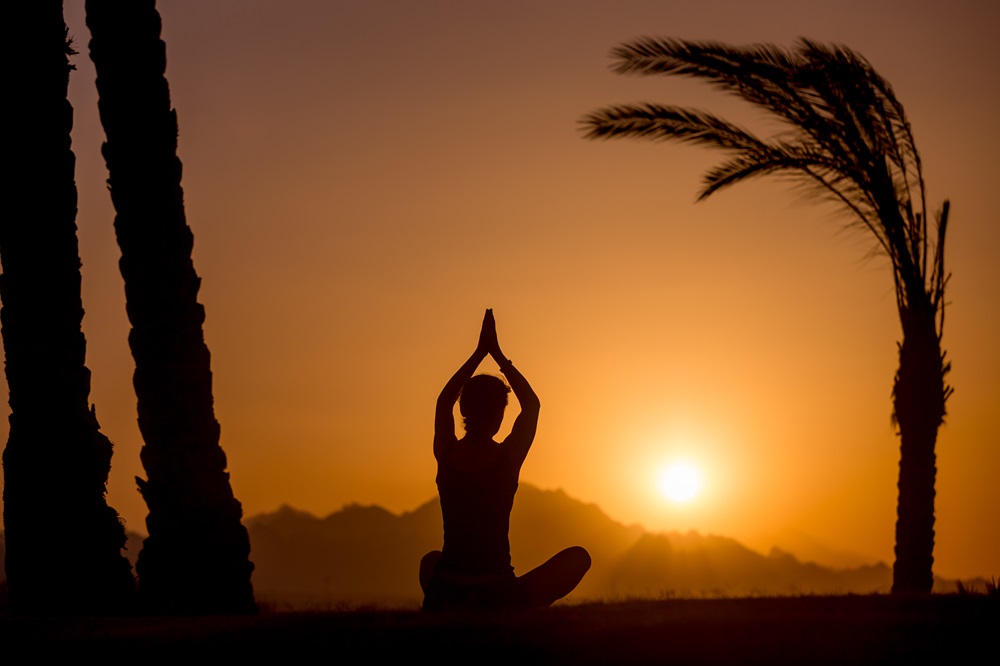
100-hour Yoga Teacher Training in Rishikesh
Rishikesh, set in the tranquil foothills of the Himalayas, is known as the yoga capital of…
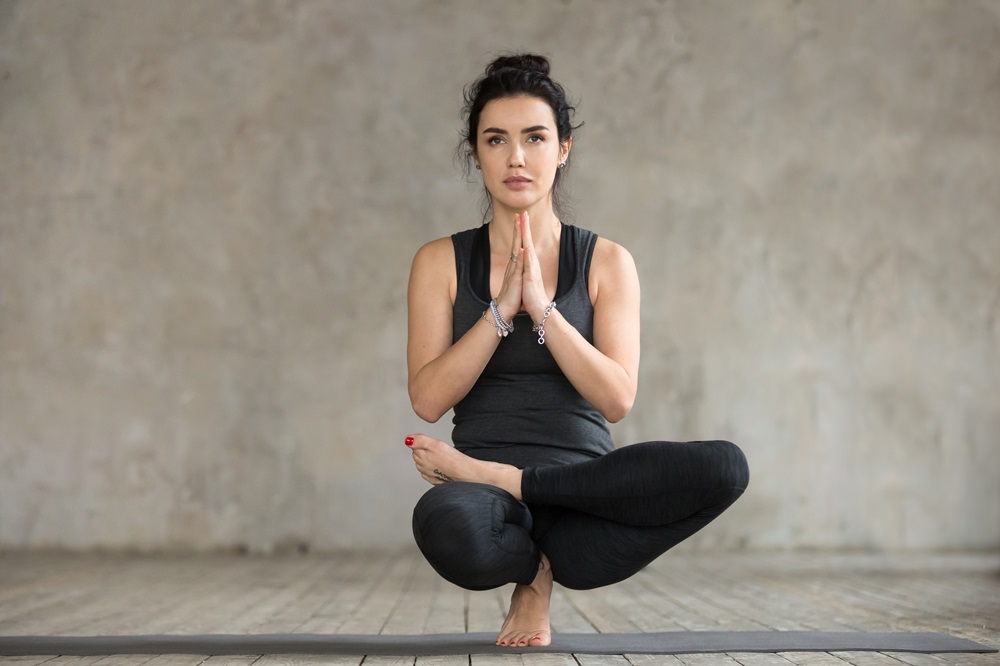
200-hour Yoga Teacher Training in Rishikesh
Embark on an enriching journey of self-discovery and transformation with our 200…
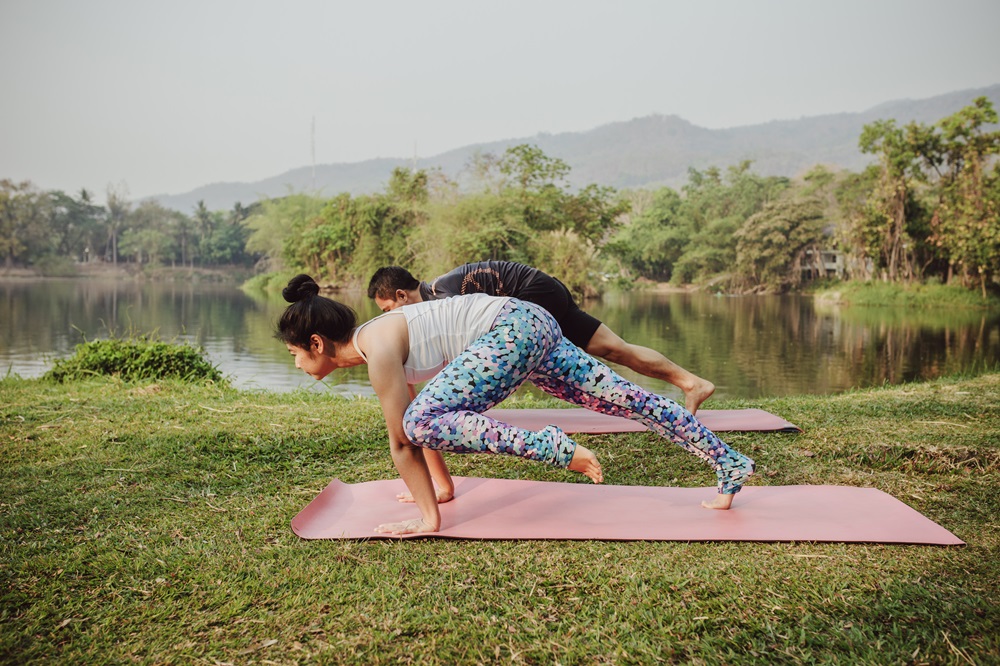
500-hour Yoga Teacher Training in Rishikesh
Immerse yourself in our beginner + advanced level 500 hour Yoga Teacher Training in Goa…