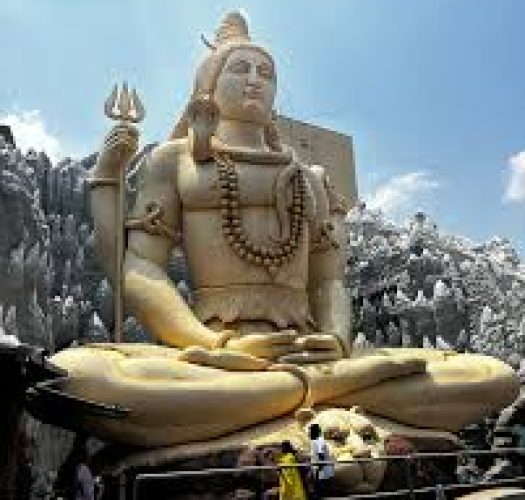
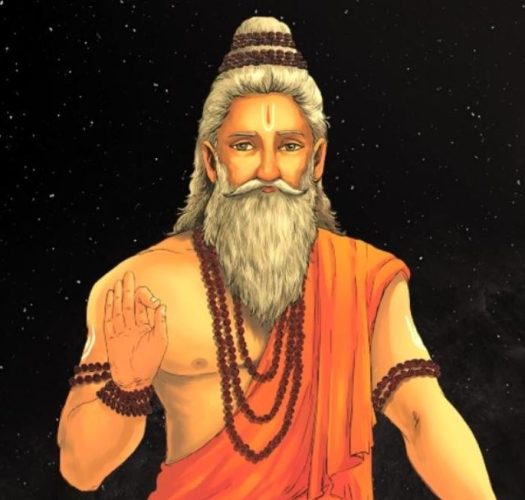
“Shivoham Lok” isn’t a widely recognized term in Hindu mythology or scriptures. However, “Shivoham” is a Sanskrit term that translates to “I am Shiva” or “I am of the nature of Shiva.” It’s often used in spiritual practices and meditations to affirm one’s identity with the divine essence represented by Lord Shiva.
“Lok” in Hinduism generally refers to a realm, world, or plane of existence. For example, there are different “loks” in Hindu cosmology, such as Bhuloka (the Earth), Swargaloka (the celestial realm), and Patala (the netherworld).
Putting these together, “Shivoham Lok” could potentially refer to a realm or dimension associated with the realization of one’s identity with Shiva or the experience of Shiva-consciousness. However, it’s essential to note that this term doesn’t have a specific, universally recognized meaning in Hinduism, so
Angiras or Angira (Sanskrit: अङ्गिरा,: Aṅgirā, Sanskrit pronunciation: [ɐŋɡirɐ:]) was a Vedic rishi (sage) in Hinduism. The Rigveda describes him as a divine wisdom teacher and mediator between men and gods, and other hymns depict him as the earliest of the Agni-devas (fire gods).[1][2] In some scriptures, he is regarded as one of the seven great sages or Saptarishis, and in others, he is referenced but not included in the list of seven great sages.[3] In certain Atharvaveda manuscripts, the text is assigned to “Atharvangirasah”.
Marichi, sometimes known as Mareechi or Marishi, is a mind-born son of Brahma and one of the Saptarishi in Hindu mythology. He is also Kashyapa’s father and grandpa to the devas and asuras. Saptarishi, a Sanskrit dvigu meaning “seven sages,” refers to the seven rishis who are glorified throughout the Vedas and Hindu literature. The Vedic Samhitas never mention these rishis by name, but later Vedic works like the Brahmanas and Upanishads do. While previous sources make no mention of Marichi as one of the seven, the epic Mahabharata does. In some parts of India, people think that these are seven stars of the Big Dipper named “Vashista”.
Bhrigu, or Bhṛgu in Sanskrit, was a Hindu rishi. He was one of Brahma’s seven great sages, or Saptarshis, and a Prajapati (creator).[1] The founder of predictive astrology and author of the Bhrigu Samhita, a jyotisha (astrological) classic. Bhrigu is also known as Brahma’s Manasaputra (“mind-born-son”). The adjectival version of the name, Bhargava, alludes to both Bhrigu’s descendants and his school. According to Manusmriti, Bhrigu was Manu’s companion who stood with him throughout.[2] Bhrigu, like Manu, made significant contributions to the Manusmriti, which was created from a speech to a meeting of saints in the state of Brahmavarta, following
Jaimini, an ancient Indian philosopher, established the Mīmāṃsā school of Hindu philosophy. He is the son of Parāśara and is regarded as a pupil of Sage Vyasa. He is believed to have lived between the fourth and second centuries BCE and is credited with writing the Mimamsa Sutras and the Jaimini Sutras. Some scholars put him between 250 BCE and 50 CE. His school is considered non-theistic, yet it emphasizes ritual aspects of the Vedas as necessary for dharma. Jaimini is noted for his research into earlier Vedic ceremonies.
Jaimini’s master was Badarayana, who established the Vedanta school of Hindu philosophy. He was also credited with writing the Brahma Sutras.Both Badarayana and Jaimini quoted each other when analyzing one other’s
Vasishtha (Sanskrit: वसिष्ठ, lit. ’most excellent’: Vasiṣṭha) is one of the earliest and venerated Vedic rishis or sages, and one of the Saptarishis (the seven great Rishis). Vasishtha is credited with being the primary author of the Rigvedic Mandalas. Vasishtha and his family are referenced in Rigvedic verses, as well as in many other Vedic writings. He is credited with writing the Yoga Vasishtha, Vasishtha Samhita, and several versions of the Agni and Vishnu Puranas. He is the subject of numerous legends, including one about him possessing the celestial cow Kamadhenu and her calf Nandini, who could grant anything to their masters.