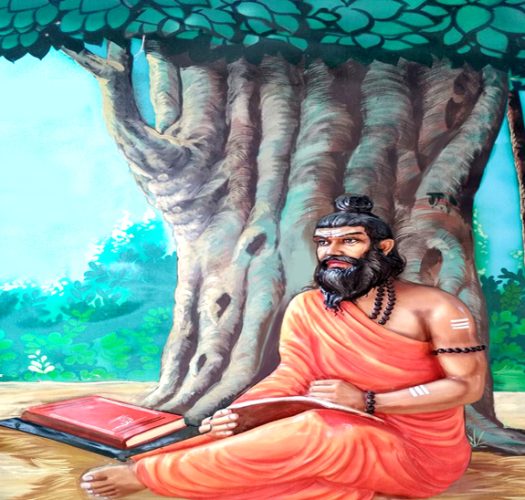
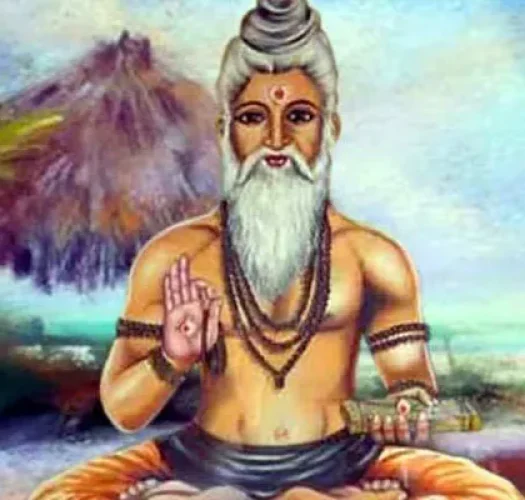
Bharadvaja and his student family were the traditional poets of king Marutta during the Vedic era, according to Hindu literature. Bharadvaja is a famous sage in Hindu traditions, and several treatises written during the ancient and medieval periods are titled after him.According to one version, Bharadvaja married Susheela and had two children: Garga and Devavarshini. According to some stories, Bharadvaja had two daughters, Ilavida and Katyayani, who married Vishrava and Yajnavalkya, respectively.
Kashyapa (Sanskrit: Kaśyapa) is a renowned Vedic sage in Hinduism. He is one of seven ancient Rigvedic sages known as the Saptarishis. Kashyapa is the most ancient and revered rishi, along with the other Saptarishis mentioned in the Brihadaranyaka Upanishad’s colophon verse. Kashyapa means “turtle” in Sanskrit. According to Michael Witzel, it is linked to Avestan kasiiapa, Sogdian kyšph, Kurdish kûsî, New Persian kašaf, and kaš(a)p, which mean “tortoise”, after which Kashaf Rūd or a river in Turkmenistan and Khorasan is named.Similar terms include Tokarian B kaccāp (“brainpan”) and Tokarian A kāccap (“turtle” or “tortoise”). According to Frits Staal, the term “Kaśyapa” relates to a tortoise and is not of Indo-European origin. Saptarishi, a Sanskrit dvigu meaning “seven sages,” refers to the seven rishis who are glorified throughout the Vedas and Hindu literature. The Vedic Samhitas never mention these rishis by name, but later Vedic works like the Brahmanas and Upanishads do. While previous sources make no mention of Marichi as one of the seven, the epic Mahabharata does. In some parts of India, people think that these are seven stars of the Big Dipper named “Vashista”.
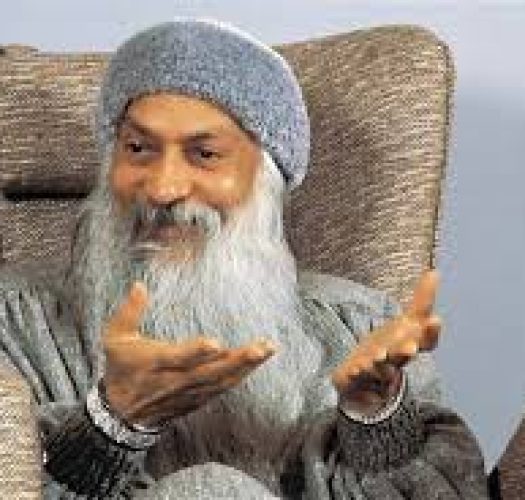
Osho (original name Rajneesh) (born Chandra Mohan Jain, 11 December 1931 – 19 January 1990), also known as Bhagwan Shree Rajneesh, Osho Rajneesh, or simply Rajneesh, was an Indian philosopher, thinker, and leader of the Rajneesh movement. Was a pioneer and leader of. Acharya Rajneesh was known throughout his life as a contentious mystic, guru, and spiritual instructor. He was a sharp critic of religious orthodoxy, which rapidly made him controversial and remained so throughout his life. In the 1960s, he went throughout India as a public speaker and was a staunch opponent of capitalism, some of Gandhi’s ideas\ and Hindu religious conservatism.Advocated for a more open approach to.